About the Cape Eleuthera Institute
Driving Positive Change Through Innovative Research
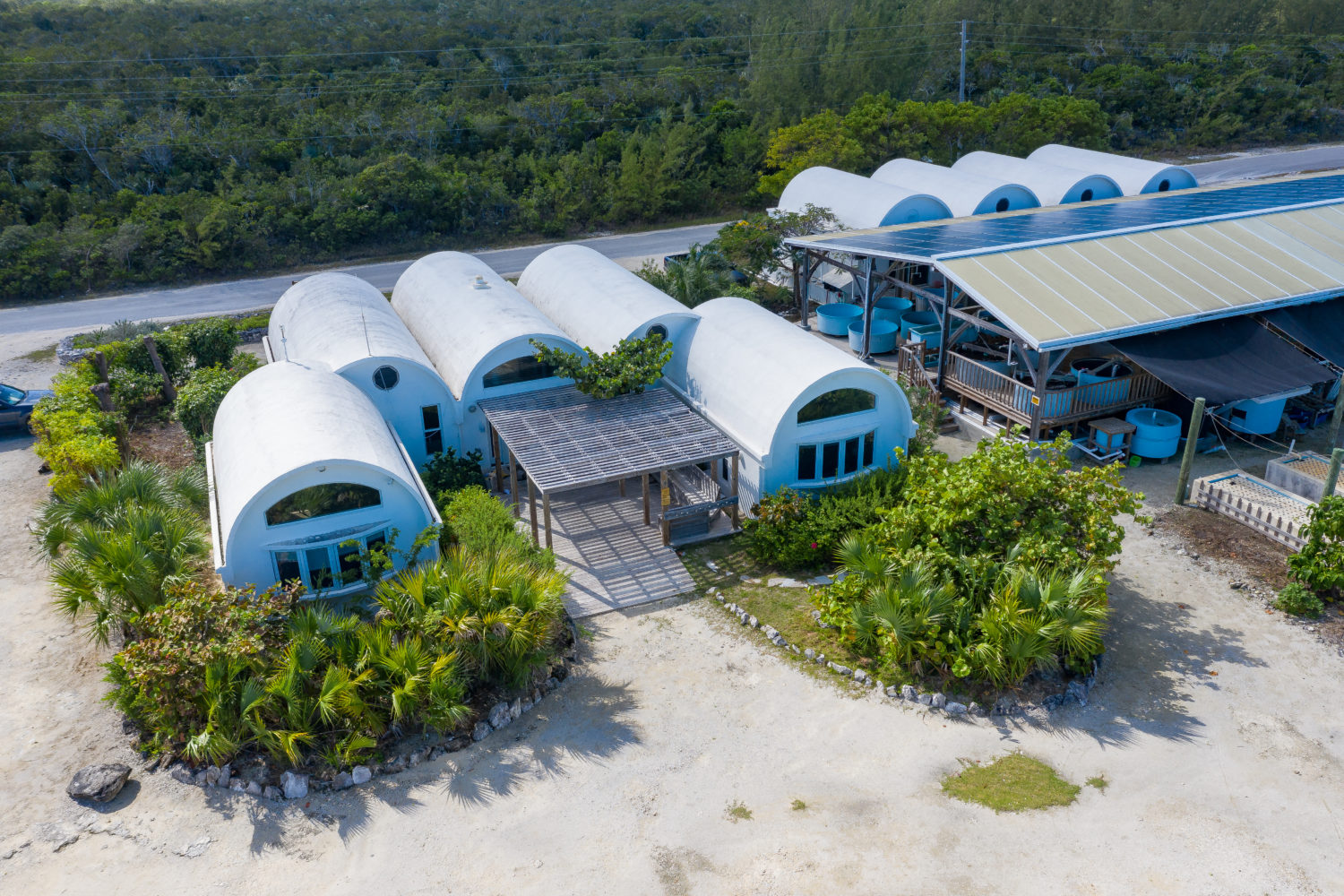
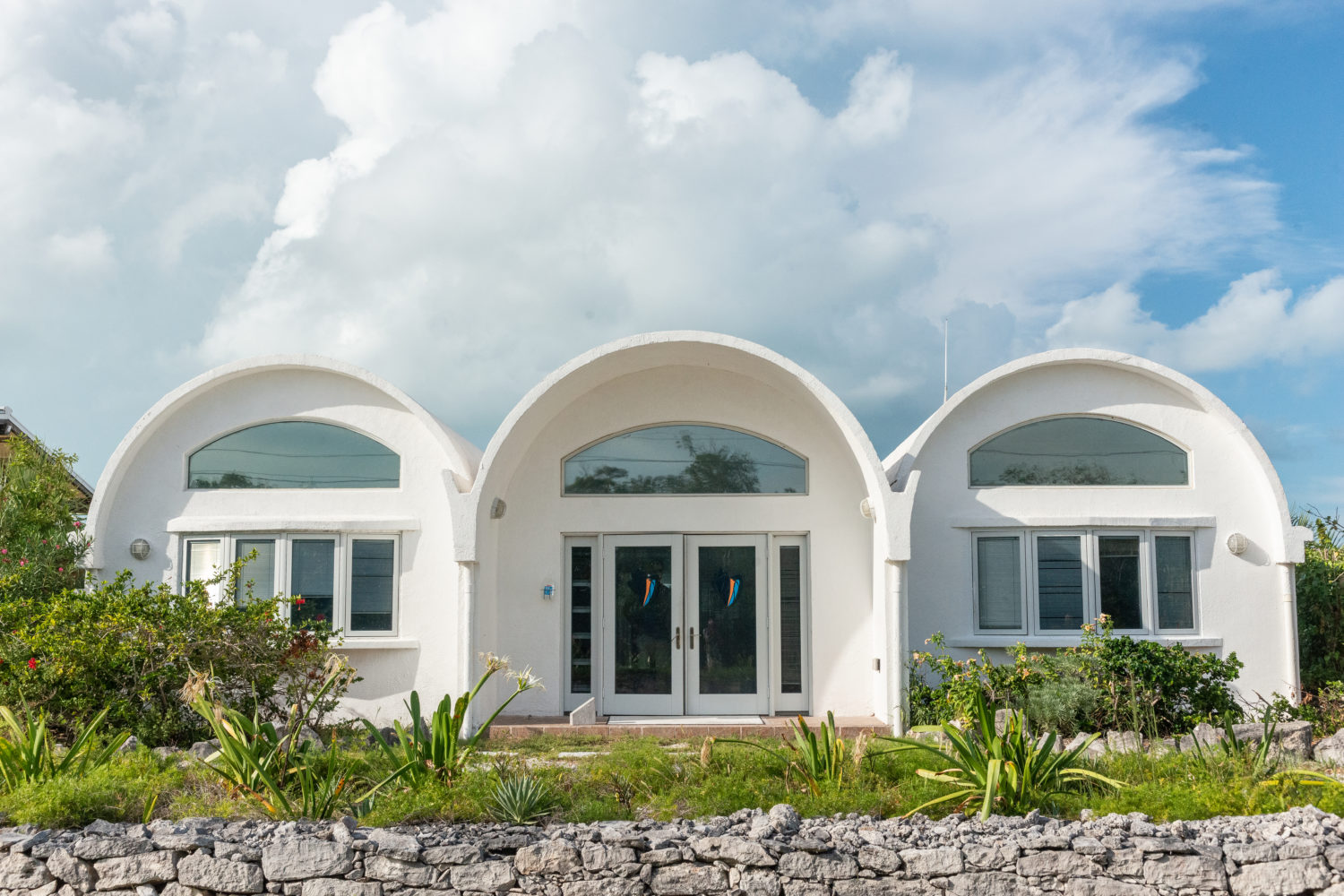
The Cape Eleuthera Institute (CEI) is a dedicated center for research and innovation at The Island School in South Eleuthera, The Bahamas. An institute devoted to research, education, and conservation, CEI seeks to create a connection between people and the environment as a path toward a more sustainable future.
At CEI, we promote the conservation of marine and coastal ecosystems by facilitating the research of resident and visiting scientists, supporting the education of students at all levels, and spurring outreach efforts to enhance the environmental awareness of local and global communities.
A Dynamic Research Program
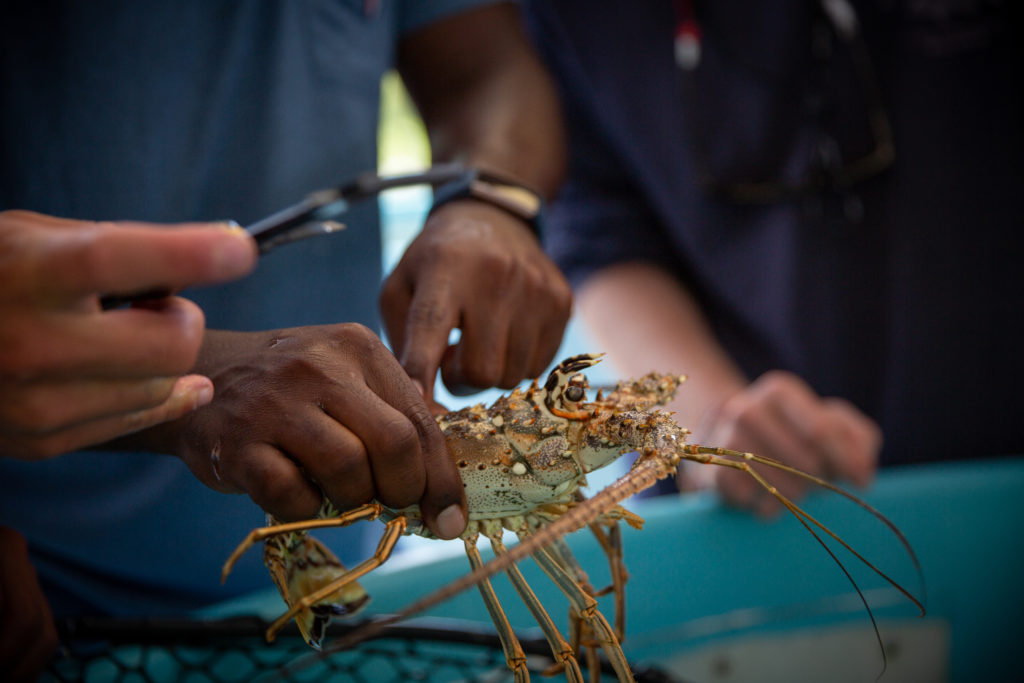
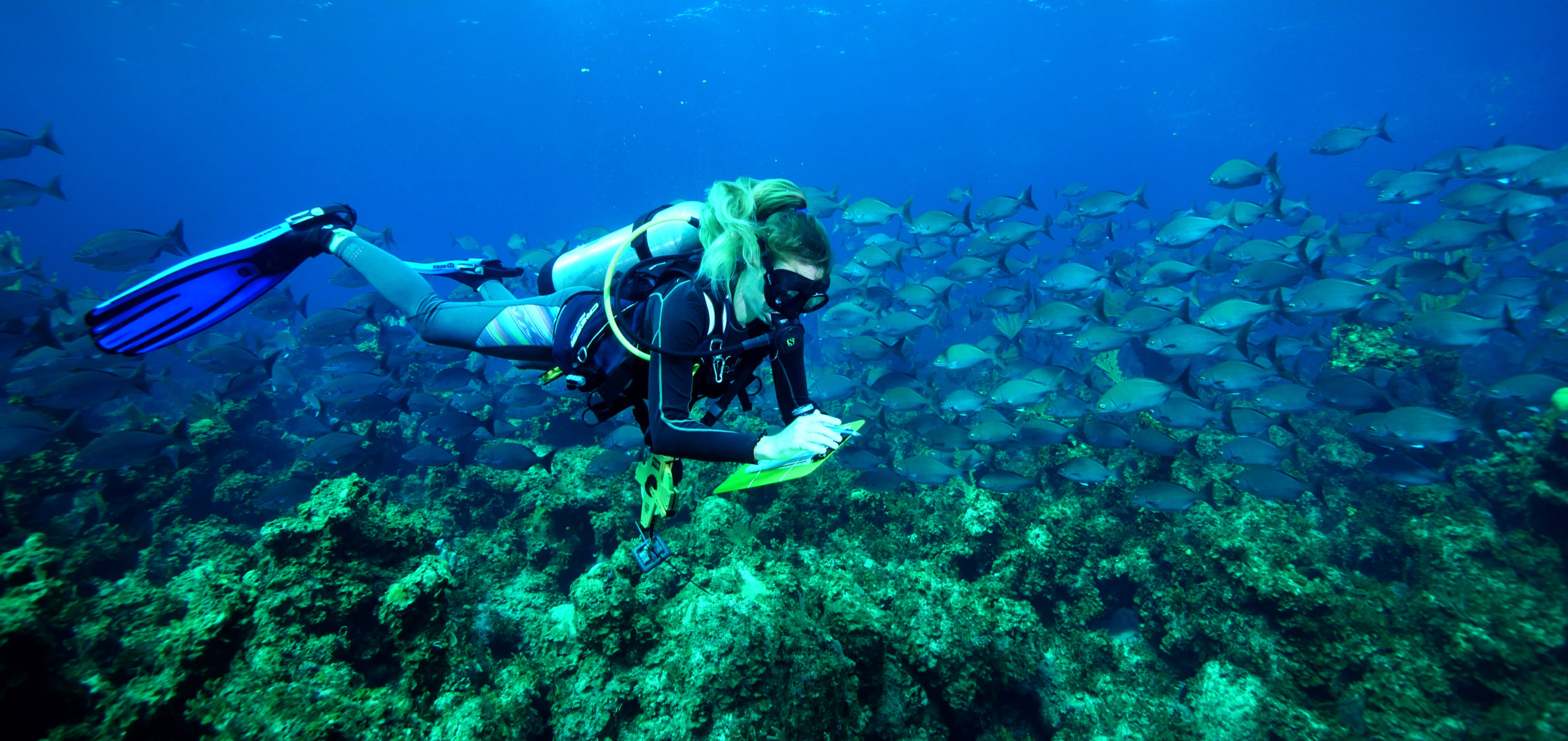
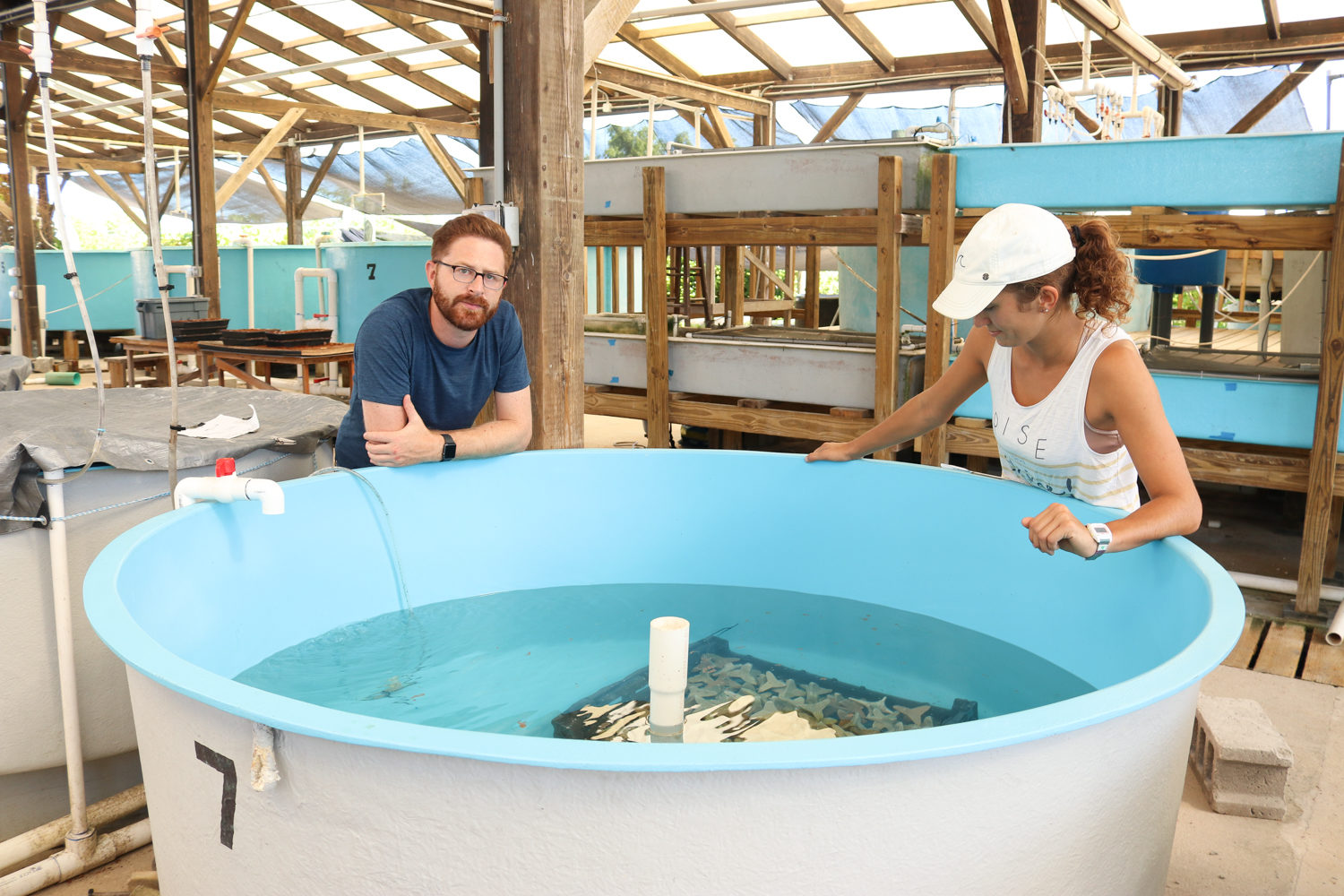
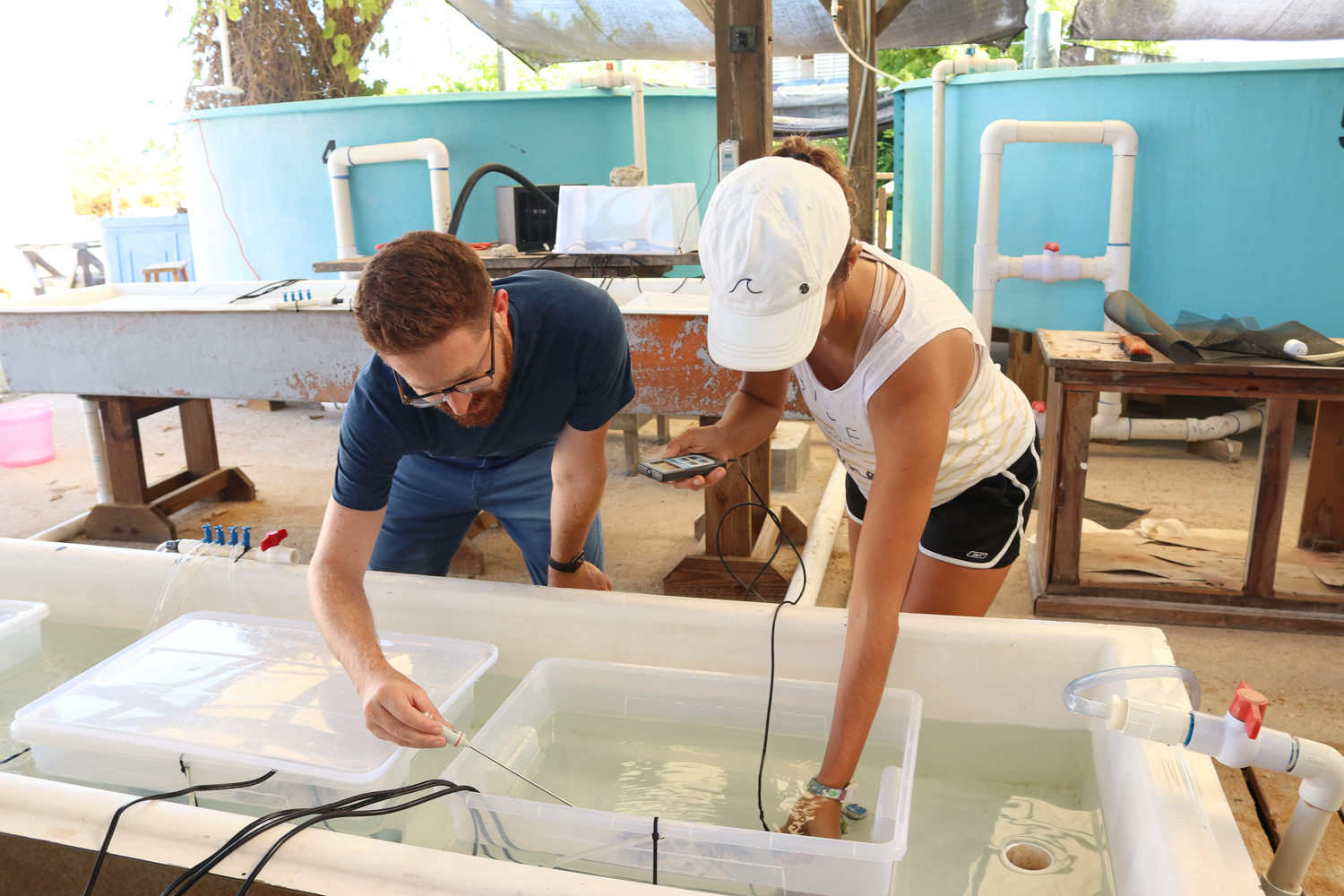
CEI is a hub for environmental and conservation research, where scientists, engineers, educators, and students work alongside one another to conduct meaningful research that addresses the most pressing environmental issues facing our oceans and island habitats.
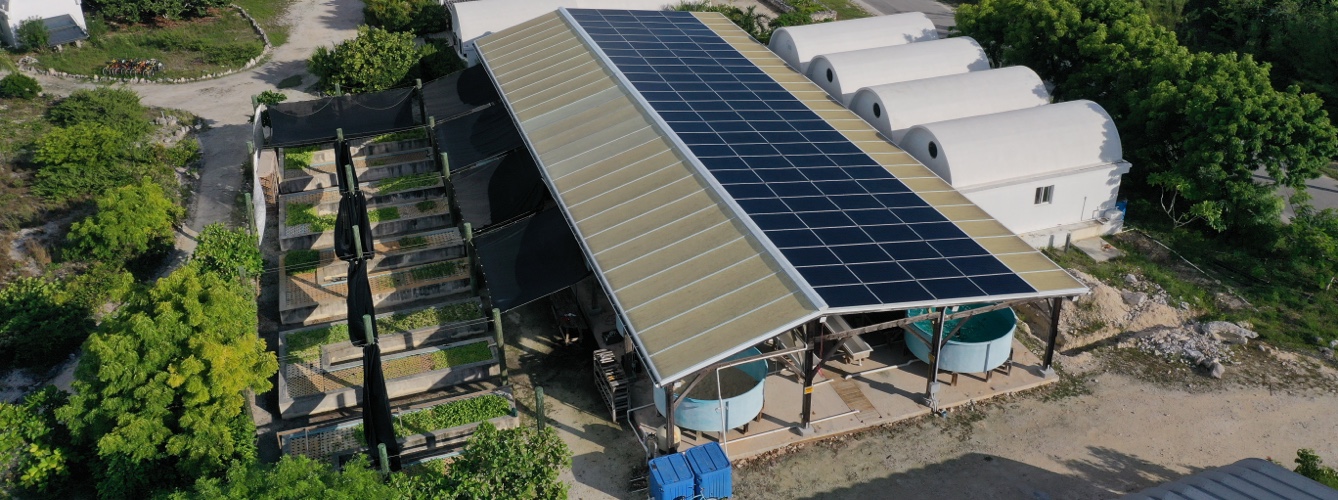
From conducting research to developing innovative systems on our island campus that model sustainability, to collaborating with university scientists and conservation organizations, we are eager to share our work, knowledge, and resources to help drive positive change for The Bahamas and our planet.











Education at Our Core
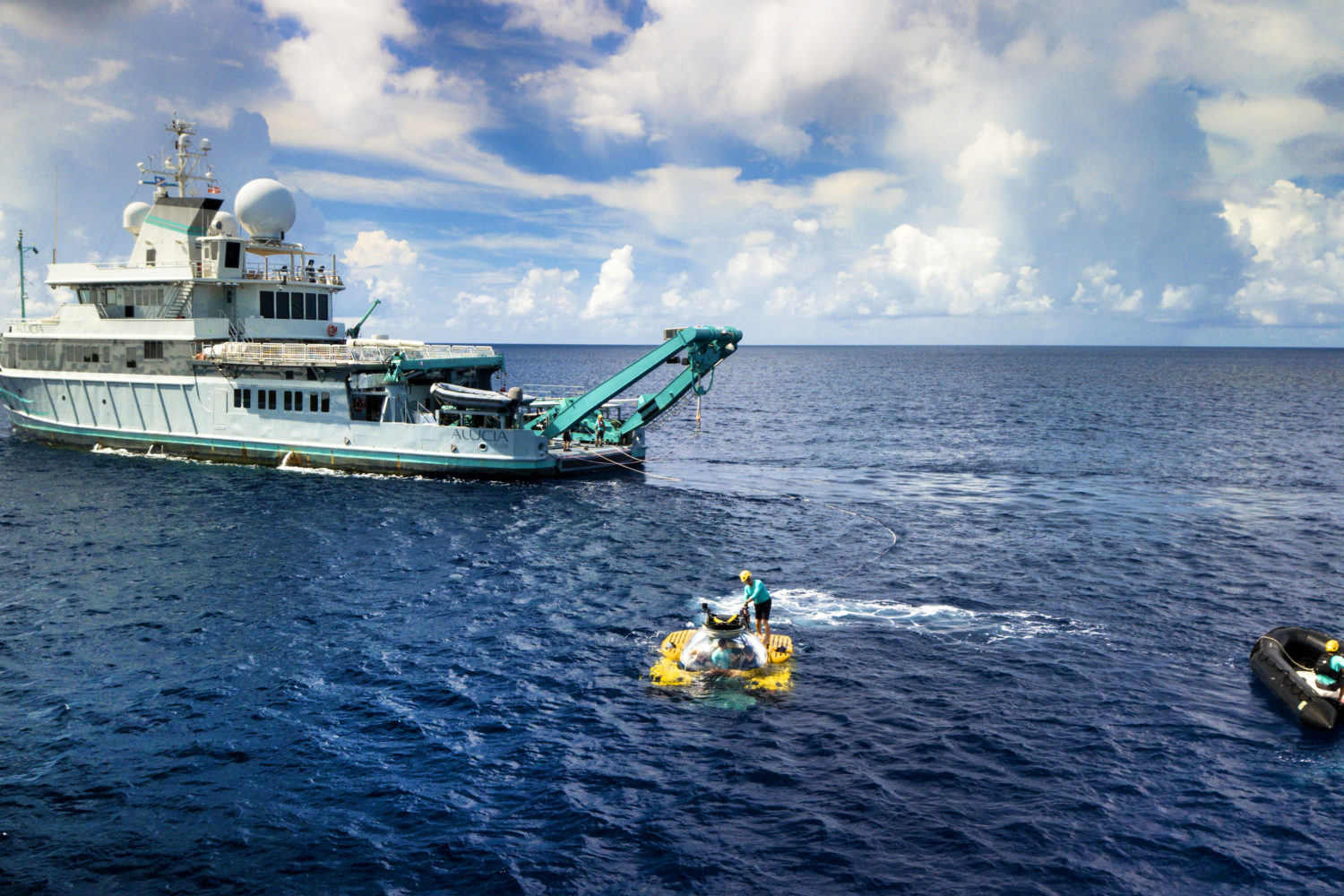
Education is a core component of our work. At CEI, students engage with our scientists on research projects, helping to examine the different ecosystems of Eleuthera and learning about the natural world through their own experiences.
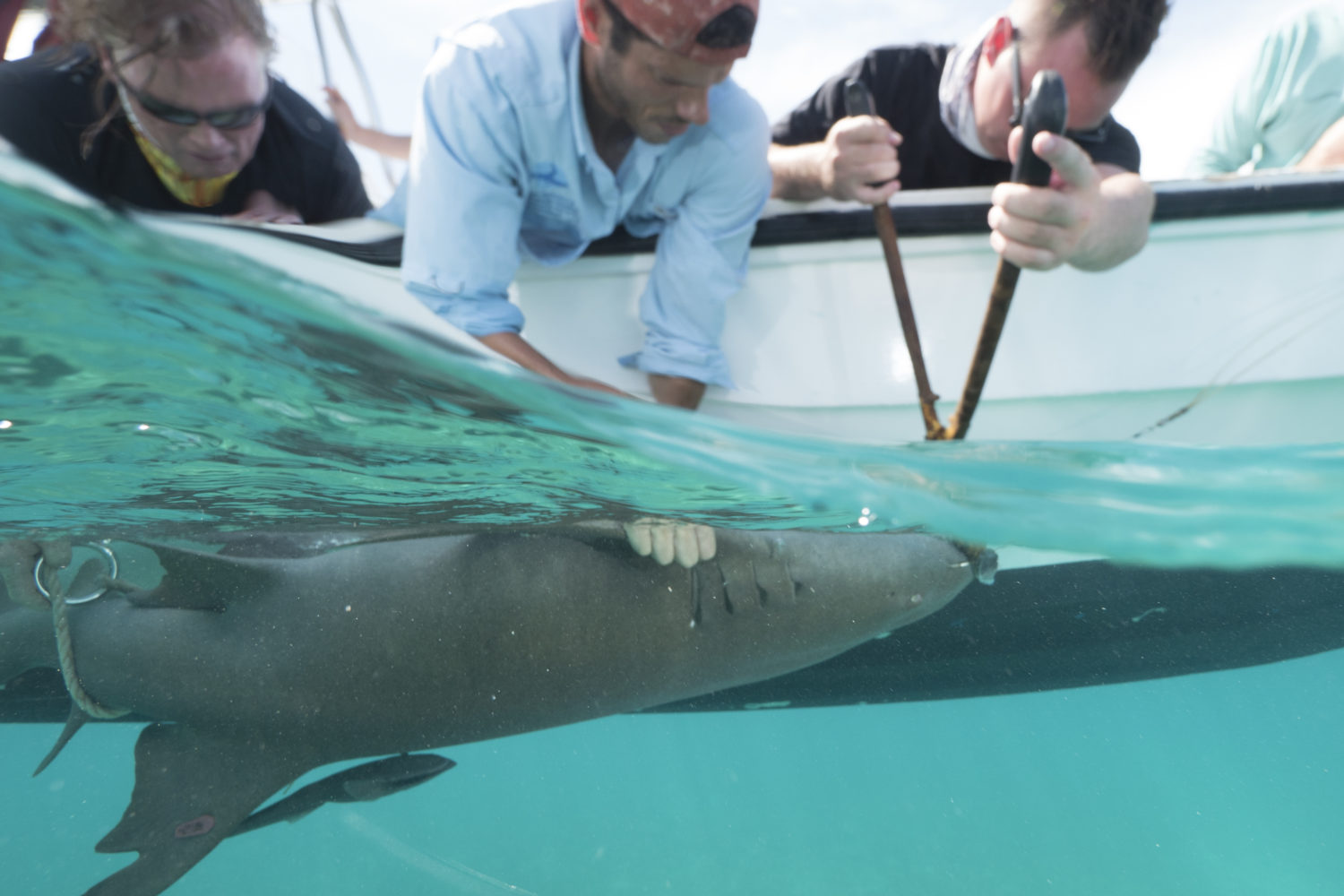
This may be Semester students investigating marine ecosystems. Or Deep Creek Middle School students exploring coral reefs. Or elementary students assisting in sea turtle research. Or undergraduates helping our scientists tag nurse sharks.
We provide students of all ages the opportunity to do work in conservation, sustainability, and local ecosystems. Students are able to collaborate with world-class scientists, doing substantive research that’s truly making a difference in the world.
The Island School Stories
The Cape Eleuthera Institute is the hub of innovation in our community, constantly improving the way we engage with the environment around us. Our staff scientists and technical experts are leaders in their field, testing out new ideas and making discoveries.
Anyone who has been here for a while can tell you, there’s no such thing as a typical day in the life at CEI. Our work is incredibly varied and dynamic, ranging from fieldwork in diverse ecosystems to data analysis to animal husbandry to education and outreach. It’s an exciting challenge that keeps us on our toes.
Leadership Effecting Change
We aim to be a leader for island communities to live well and preserve our planet. Through collaboration and partnerships with university scientists, conservation organizations, NGOs, government officials, and more, CEI research is contributing to environmental dialogue and policy-making efforts.
It is important work, and we invite you to join us. Together, through research and place-based education, we can ensure a more livable and sustainable future for all.
Sea Turtle Research
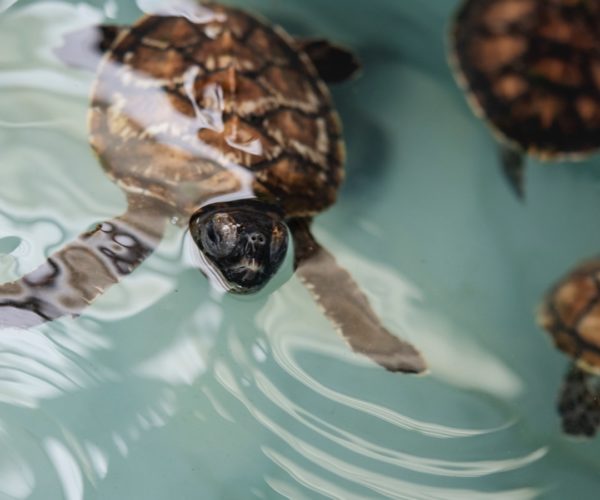
Sea turtles have survived for millions of years, but recently they have succumbed to human-produced threats that could lead to their eventual extinction. CEI research of current sea turtle population trends is essential for guiding conservation efforts. Learn more about our leading sea turtle research.
Explore the Section
MEET OUR RESEARCH AND TECH TEAM
Our team of research scientists and technicians make CEI an extraordinary place to conduct meaningful and impactful research. Meet these outstanding professionals and individuals.
RESEARCH INITIATIVES
Our research at the Cape Eleuthera Institute focuses on the diverse habitats of Eleuthera. A wide array of terrestrial and marine environments are within a 10-mile radius of our campus, including old-growth coppice, rocky shores, tidal flats, mangrove creeks, seagrass meadows, and patch reefs, all of which play valuable ecological roles and support unique subtropical species.